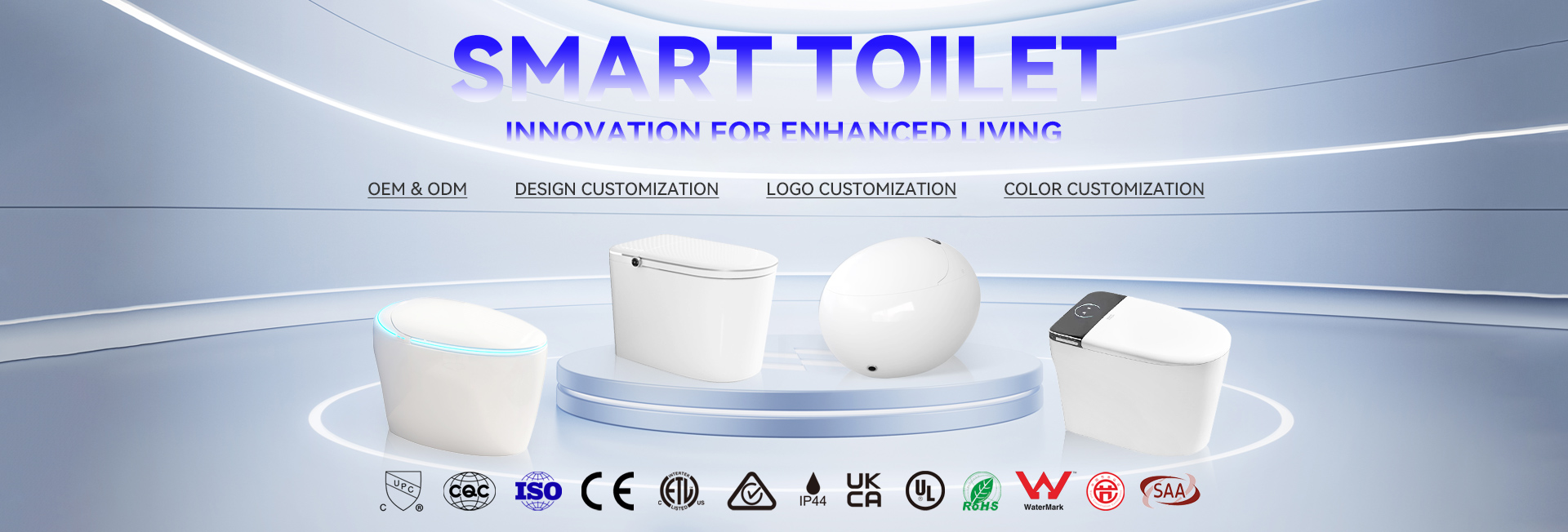
Bulk Procurement of Smart Toilets: Common Issues and Solutions for Engineering Projects
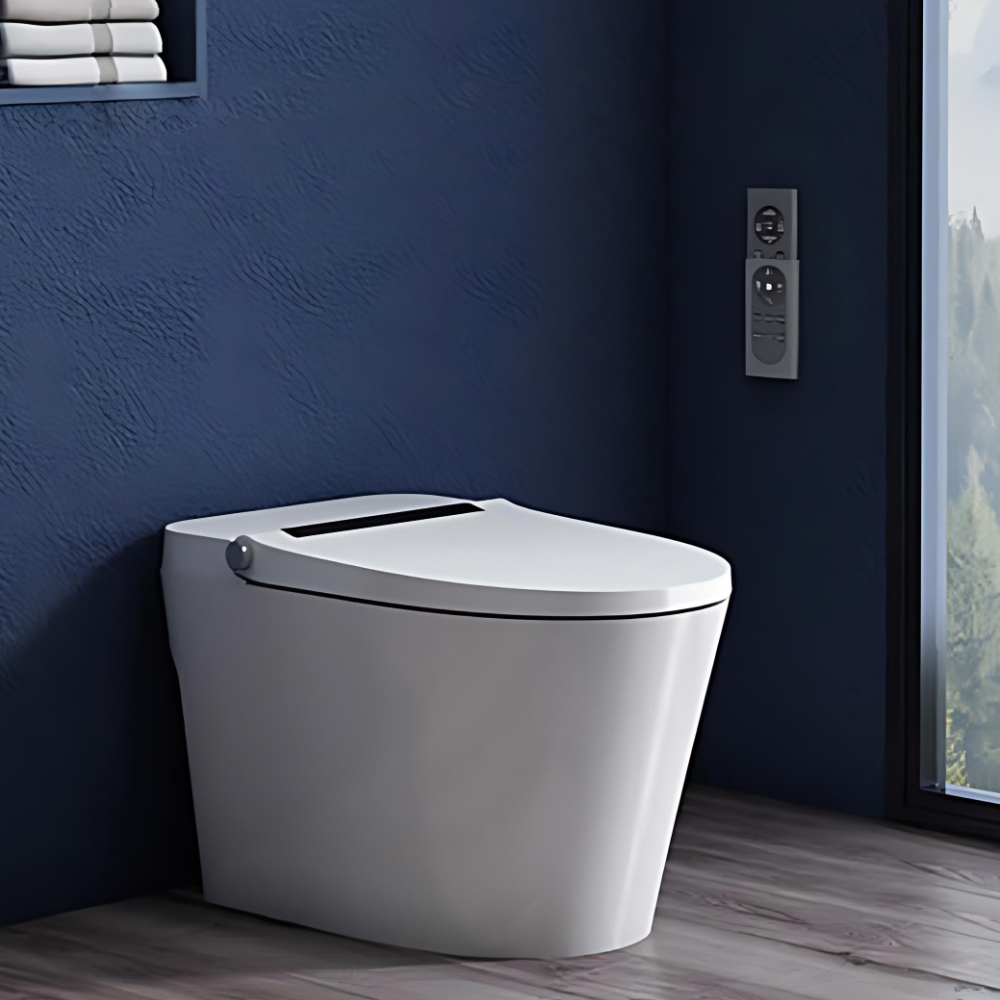
Why Smart Toilets Are Attractive for Bulk Projects
Premium positioning & higher margins: Smart toilets are considered high-end sanitary ware, giving property developers a chance to increase perceived value of their projects and justify premium pricing.
Water- and resource-efficiency: Many smart toilets use sensor-based flushing and water-saving designs, which contribute to environmental goals and reduce water usage — increasingly important in green building standards.
Hygiene and user experience upgrade: Automatic flush, bidet/wash/dry functions, self-cleaning or sensor-activated features improve sanitation and comfort compared to regular toilets — a strong selling point for hotels or luxury residences.
Brand/image enhancement for developers or property owners: Installing smart toilets signals modernity, innovation, and premium quality — which can be used as a marketing advantage.
Because of these benefits, many B2B buyers are turning toward bulk procurement of smart toilets for their projects.
Common Problems in Bulk Smart Toilet Procurement & Implementation
Despite the benefits, smart toilets pose certain challenges — particularly in bulk procurement contexts. Key issues include:
1. High Upfront Cost and Budget Pressure
Smart toilets are significantly more expensive than conventional toilets. For large-scale installations (hundreds of bathrooms), the total procurement cost can strain project budgets.
2. Installation Complexity & Infrastructure Requirements
Smart toilets often require electrical supply (for sensors, heating, flushing mechanisms), correct plumbing setup, and sometimes dedicated power outlets. For older buildings or low-rise projects, retrofitting may be costly or infeasible.
3. Maintenance, Repairs and Spare Parts Logistics
Because smart toilets use electronic components, sensors, and advanced mechanisms, they have higher maintenance demands compared to traditional toilets. For high-traffic environments (hotels, public buildings), sensor failures, flush issues, or electronic malfunctions may require specialized technicians.
4. Complexity for Users & User Acceptance
In some markets or demographics, especially among older users or in regions unaccustomed to bidet/washlet functions, there may be resistance or lack of familiarity. This can affect user satisfaction and acceptance.
5. Higher Long-Term Total Cost (Energy + Maintenance)
Smart toilets may consume electricity (for seat heating, bidet, lights, sensors), which adds to building energy costs — an important concern for large facilities aiming for cost efficiency or green certifications.
6. Risk of Overstock & Obsolescence for Bulk Buyers
Because technology evolves rapidly and market demand can shift, bulk buyers may face risks of overstock — especially if there’s delay in selling or installing units. Upgrading features or parts may make older units less attractive.
In the B2B sector, compliance is not optional; it is the gatekeeper to market entry and project acceptance. Failing to secure products with the correct certifications can lead to costly delays, customs seizures, or project rejection.
Practical Solutions & Best Practices for Bulk Procurement
To maximize the benefits and reduce risks, here are recommended practices when procuring smart toilets in bulk for construction projects:
✔ Perform Detailed Cost-Benefit & Feasibility Analysis
Estimate total project cost including installation (plumbing + electrical) and long-term maintenance.
Compare with traditional toilets on lifecycle cost (water savings, maintenance savings, user value).
For budget-sensitive projects, consider hybrid approach: mix of standard and smart toilets (e.g., smart toilets in premium apartments/hotel rooms, standard in staff or auxiliary washrooms).
✔ Choose a Reliable Manufacturer with OEM/ODM & After-Sales Support
Prefer suppliers that offer OEM/ODM services, spare parts availability, and warranty/after-sales support. This reduces long-term risk and ensures consistent maintenance support.
Ensure manufacturing quality, material durability (ceramic, stainless steel nozzles, sealed valves), and compliance with international standards — especially important for export or high-end projects.
✔ Plan for Infrastructure & Installation Needs Early
Include proper electrical wiring, waterproofing, and plumbing layout in early project stages — smart toilets often need stable power and drainage infrastructure.
Ensure installation teams are trained (or work with supplier’s recommended installers). Provide clear installation instructions or services.
✔ Maintain Supply of Spare Parts & Provide Maintenance Guidelines
Stock spare parts like valves, sensors, nozzles, control boards.
Provide maintenance documentation (cleaning, sensor maintenance, leak checks) to facility management teams.
Educate end-users / staff on proper usage and maintenance to avoid misuse or damage.
✔ Consider Mixed Fleet Strategy — Smart + Standard Toilets
For large developments, it may be cost-effective to use smart toilets selectively — e.g. premium units in VIP suites, standard toilets for utility / staff areas — optimizing budget while still offering high-end options.
✔ Leverage Smart Toilets as Part of a Broader Smart-Building / Green-Building Strategy
Smart toilets’ water-saving and hygiene benefits align with modern building standards. For hotels, commercial buildings, or eco-conscious developments, highlight water/energy efficiency, hygiene, and user comfort as selling points.
How a Supplier (like PUNCHAN) Can Help You Overcome Bulk Procurement Challenges?
If you are sourcing for a large project — you need more than just a product. You need a partner who can provide:
Complete OEM/ODM capability + consistent quality — ensuring all units are standardized and reliable.
After-sales support & spare parts supply — reducing maintenance burden for property managers.
Flexible pricing & production scheduling — to match project volumes without overstock risk.
Installation guidelines or support — helping contractors install properly, complying with local plumbing/electrical codes.
Consultation on mixed fleet strategies and project-specific configurations (e.g. flush type, sensors, seat heating, bidet functions).
PUNCHAN understands that a single project may require a mix of these standards. Our commitment to rigorous testing and compliance ensures that every unit delivered is certified for its intended market, eliminating compliance risk for your project.
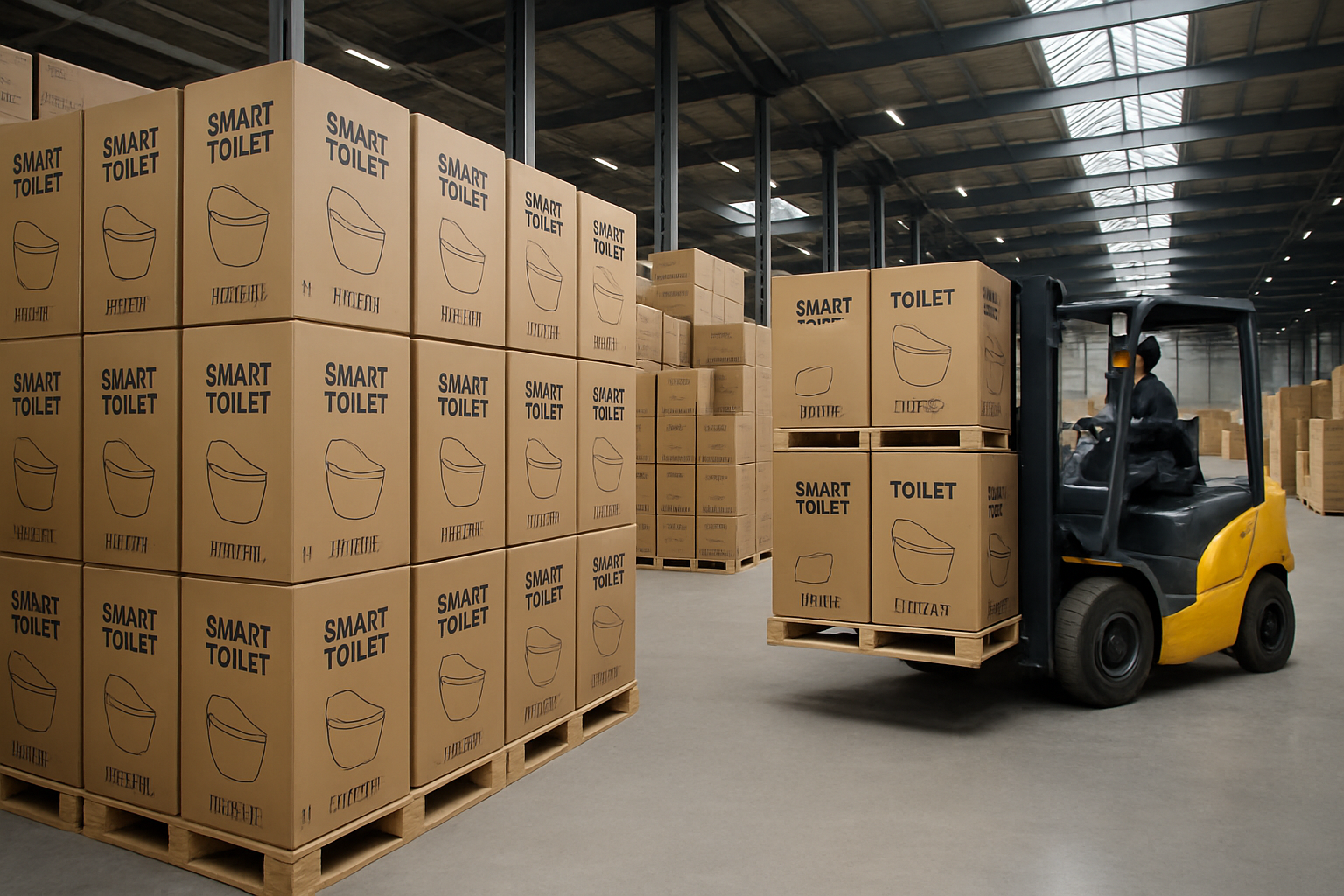
PUNCHAN Advantage: Solutions for Project Success
1. Full Customization (OEM/ODM) for Project Needs
2. Guaranteed Compliance and Certification Portfolio
Key International Certifications for Smart Toilets
|
Region
|
Certification | Focus | Importance for Bulk Procurement |
| North America (USA/Canada) | UL/ETL | Electrical Safety | Mandatory for electrical components to ensure fire and shock safety. |
| cUPC/ASME A112.19.2 | Plumbing Standards | Ensures compliance with strict plumbing codes for commercial use | |
| WaterSense | Water Efficiency | Voluntary, but essential for green building projects and water conservation | |
| Europe | CE Mark |
Health, Safety, Environmental
|
Mandatory for products sold in the European Economic Area (EEA). |
| WRAS/KIWA | Water Regulations | Ensures compliance with local water authority regulations in the UK and other European countries | |
| Global | ISO Standards | Quality Management | Ensures consistent product quality and manufacturing processes |
3. Project-Specific Technical Support
Partner with PUNCHAN for Seamless Procurement